Functional constipation is one of the most common functional gastrointestinal disorders in infants and children and a frequent reason for pediatric consultations. In Saudi Arabia, its increasing prevalence has highlighted the need for clear, practical guidance to support daily clinical decision-making.

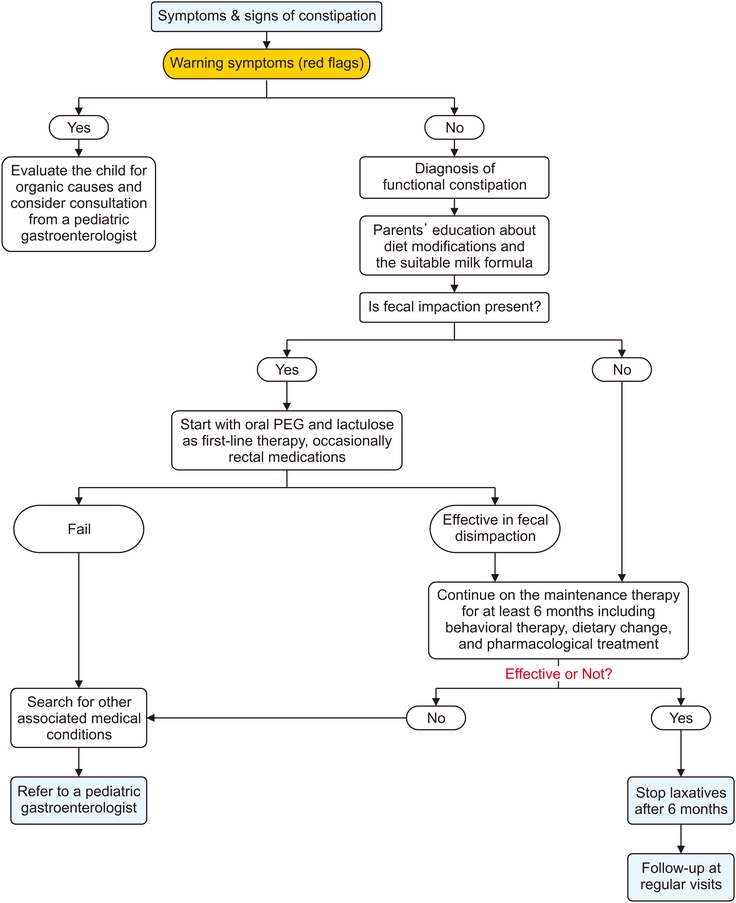
Management algorithm for infants with functional constipation. PEG: polyethylene glycol.
(Source: Alshehri et al., 2022 / CC BY-NC 4.0)
Key Clinical Recommendations
A panel of Saudi pediatric experts developed national recommendations using a structured consensus methodology to guide the diagnosis and management of pediatric functional constipation.
Diagnosis should be based on a thorough clinical assessment with careful exclusion of alarm signs that may indicate organic disease. Once organic causes are excluded, the Rome IV criteria are recommended as the standard diagnostic tool. Functional constipation should also be differentiated from infantile dyschezia, which is a benign and self-limiting condition.
Management follows a stepwise approach. Initial treatment focuses on parent education, dietary advice and appropriate feeding practices, particularly in infants under six months of age. When non-pharmacological measures are insufficient, pharmacological treatment is indicated.
Among laxatives, polyethylene glycol (PEG) is recommended as first-line therapy in case of fecal impaction due to its proven efficacy and good tolerability. Rectal treatments are not advised for routine use and should be reserved for selected cases requiring rapid symptom relief.
From a nutritional perspective, magnesium-rich formulas may help improve stool consistency and frequency in some infants. Current evidence does not support the routine use of formulas containing prebiotics or probiotics for the treatment of infant constipation.
Implications for Clinical Practice
This expert consensus provides practical support to help healthcare professionals:
- Apply standardized diagnostic criteria (Rome IV) with greater confidence
- Identify red flags early to exclude organic causes of constipation
- Use a stepwise, evidence-based management approach in infants and children
- Optimize nutritional and non-pharmacological interventions before medication
- Select first-line pharmacological treatment based on efficacy and tolerability
Access the full publication: https://doi.org/10.5223/pghn.2022.25.3.163
Source
Pediatric Gastroenterology, Hepatology & Nutrition, 2022
Alshehri D.B. et al.
DOI: 10.5223/pghn.2022.25.3.163